
Knowing how to store vases properly can make a significant difference to their long-term condition. A vase that sits unused for several months can collect dust, develop musty odors, suffer from moisture exposure, or even become chipped if it is stored without adequate protection.
Whether you own delicate glass vases, ceramic statement pieces, handcrafted terracotta designs, or tall decorative vessels, you can protect them with the right combination of cleaning, wrapping, cushioning, and placement. Good vase storage is not simply about putting a piece inside a box. You need to consider the material, shape, weight, surrounding humidity, and how often you expect to access it.
If you are storing seasonal décor, preparing for a move, or simply clearing your display shelves, these practical storage methods can help you keep your vases clean, protected, and ready to use again.
What Is the Best Way to Store Vases When You Are Not Using Them?
The best storage method depends on the vase itself, but a few principles apply to almost every type.
You should always clean and completely dry a vase before storing it. You can then wrap delicate surfaces with suitable protective material and place the vase in a sturdy box with enough cushioning to prevent movement.
Your storage area should ideally be:
- Dry and reasonably temperature-stable
- Protected from direct sunlight
- Free from unnecessary moisture
- Away from heavy objects that could fall
- Easy to access without forcing boxes together
- Protected from excessive dust
You should avoid treating all vases as ordinary household items. A heavy ceramic vase and a thin glass vase require different levels of protection, while tall or unusually shaped pieces need additional support.
Clean Your Vases Before Storage
You should never put a vase into long-term storage while it still contains dust, flower residue, water, or moisture.
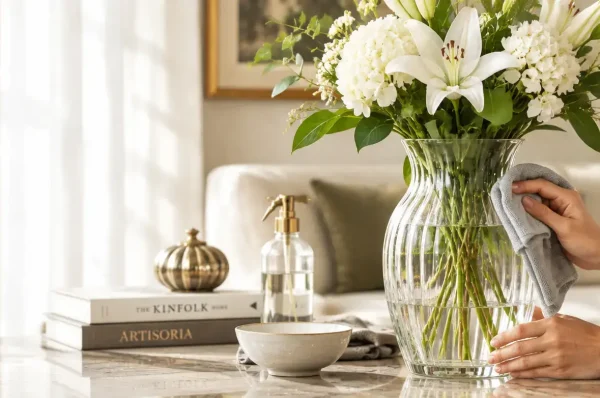
For a vase that has held fresh flowers, you can wash the interior with warm water and mild dish soap. A soft sponge or bottle brush can help remove residue from the sides and bottom.
If you notice mineral deposits or water stains, you should remove them before storage rather than allowing them to remain on the surface for months.
After cleaning, you should let the vase dry completely. This step is particularly important for ceramic, terracotta, and other porous materials because moisture can remain inside the material even when the exterior feels dry.
A vase that is wrapped while damp can develop a musty smell or moisture-related damage during storage.
Read Also : How to Clean a Vase Without Scratching It
How to Pack Vases for Storage
When you need to how to pack vases for storage, think in terms of three layers of protection: wrapping, cushioning, and a strong outer container.
You can begin by wrapping the vase individually in soft protective material. Acid-free tissue paper or clean packing paper can provide a gentle first layer, particularly for delicate surfaces.
You can then add bubble wrap around the wrapped vase when additional impact protection is needed.
The box should be sturdy enough to support the weight of the vase and any other contents without collapsing.
You should also fill empty spaces inside the box with appropriate cushioning material. The objective is to prevent the vase from moving when the box is lifted or gently shifted.
You should not rely on bubble wrap alone. If the wrapped vase can move freely inside a large box, it can still collide with the sides or another object.
Bubble Wrap, Tissue Paper, or Packing Paper?
Different materials serve different purposes.
Acid-free tissue paper works well as a soft protective layer around delicate surfaces. It helps separate the vase from other materials and reduces the risk of surface abrasion.
Packing paper can provide additional wrapping and cushioning. You should use clean paper rather than newspaper directly against light-colored or delicate surfaces because ink can potentially transfer.
Bubble wrap is useful for impact protection, particularly when you are storing glass or transporting fragile pieces. You should avoid wrapping extremely delicate finishes too tightly.
For valuable or highly delicate vases, you can combine materials rather than relying on one protective layer.
How to Store Ceramic Vases
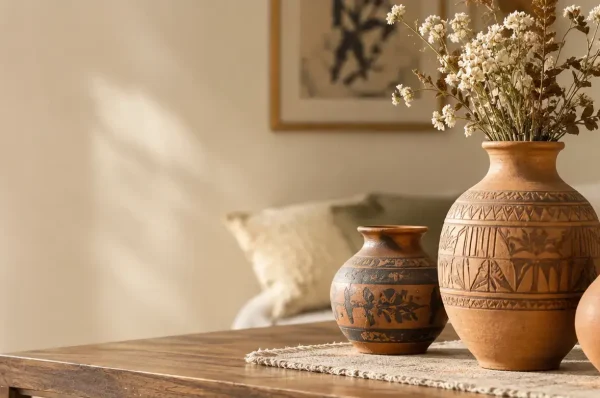
Ceramic vases can be relatively durable, but their glaze, handles, narrow openings, decorative details, and edges can still be vulnerable to impact.
You should wrap each ceramic vase individually before placing it into a box. Extra padding can be useful around handles, rims, raised decorations, or other protruding areas.
If the vase is heavy, you should use a strong box with a solid base rather than an oversized carton that may become difficult to handle.
You can also place a cushioning layer underneath the vase before positioning it in the box. Additional padding around the sides helps prevent movement.
You should avoid placing heavy objects directly on top of a ceramic vase. Even when the body is strong, pressure around the rim or decorative sections can cause chips or cracks.
How to Store Glass Vases
Glass requires more careful handling because even a small impact can cause a chip, crack, or complete breakage.
You should wrap glass vases individually and provide cushioning around the entire surface. The base and rim deserve particular attention because these areas can be vulnerable during handling.
You can use bubble wrap over a soft initial wrapping layer and then place the vase inside a sturdy box with additional padding.
You should never allow multiple glass vases to touch each other directly. If you are storing several pieces in one container, each should have its own protective layer and enough separation to prevent contact.
You should also avoid putting excessive pressure on a thin glass vase while wrapping it.
Can You Stack or Nest Vases?
Nesting can save storage space, but you should not automatically place one vase inside another.
You can nest similarly shaped vases when their structure and finish make this safe, but each piece should be separated with soft protective material.
The smaller vase should not sit directly against the inner surface of the larger vase. You can wrap the smaller piece first and provide sufficient cushioning around it.
You should avoid nesting:
- Thin or fragile glass vases
- Vases with delicate decorative finishes
- Pieces with protruding handles or ornaments
- Vases that fit tightly together
- Valuable pieces where contact could cause scratches or chips
You should never force one vase into another simply to save space. A small amount of extra storage space is preferable to a damaged collection.
How to Protect Vases From Breaking
The most important principle for protecting vases from breaking is to prevent movement and impact.
You can reduce the risk by wrapping every piece individually, cushioning the bottom and sides, and filling empty spaces inside the box.
You should also consider how you lift and move the storage container. A box that is too heavy can be dropped or handled awkwardly, creating unnecessary risk.
For heavier ceramic or stone-like decorative pieces, you can use smaller boxes so the contents remain manageable.
You should keep fragile vase boxes away from areas where they may be knocked over, crushed, or exposed to falling objects.
How to Store Tall or Narrow-Neck Vases
Tall vases can be more challenging because their height creates additional leverage if they fall.
You should use a box that provides enough vertical space without forcing the vase against the top. The base should have adequate cushioning, while the sides should prevent excessive movement.
For narrow-neck vases, you should take extra care during wrapping. You can place soft protective material around the body and provide additional protection around the neck and rim.
You should never use the opening of a tall vase as a convenient place to push packing materials tightly inside. Excessive pressure can damage delicate necks or decorative surfaces.
If possible, you can store tall vases upright in a stable container rather than laying them horizontally.
Where Should You Store Vases Long Term?
Your storage environment can matter as much as your packaging.
A dry indoor cupboard, storage room, or suitable display cabinet can work well for many vases. You should prioritize an area with stable conditions and limited exposure to moisture.
You should be cautious about storing vases in basements or attics if those areas experience significant humidity, temperature fluctuations, leaks, or condensation.
For homes in humid climates, you can use moisture absorbers in the surrounding storage area when appropriate. You should still make sure every vase is completely dry before packing it away.
You should also keep boxes away from damp floors. A raised shelf or stable storage rack can provide additional protection from accidental water exposure.
How to Keep Stored Vases Dust-Free and Fresh
Dust protection becomes especially useful when you plan to store vases for several months.
You can wrap individual pieces before placing them inside boxes or cabinets. For vases stored openly on shelves, a breathable protective cover can reduce dust accumulation without trapping excessive moisture.
You should avoid sealing a vase inside an airtight plastic bag if there is any possibility that moisture remains inside.
For long-term storage, you can periodically inspect the area for dampness, insects, dust buildup, or musty smells.
If you use moisture absorbers, you should check them according to their manufacturer’s instructions and replace them when necessary.
How to Store Vases During a Move
Moving requires more protection than ordinary shelf storage because boxes are lifted, transported, and repositioned repeatedly.
You should wrap each vase separately and provide cushioning underneath, around the sides, and between individual pieces.
You can use a sturdy box that is appropriately sized rather than placing a small vase inside a very large carton with excessive empty space.
You should fill remaining gaps with suitable packing material so the vase cannot shift during transportation.
For especially delicate or valuable pieces, you can transport them separately rather than placing them in a box with heavier household items.
You should also avoid placing heavy boxes on top of fragile vase cartons.
Common Vase Storage Mistakes to Avoid
Several simple mistakes can increase the risk of damage.
You should avoid storing a vase before it is completely dry. You should also avoid wrapping a dirty vase, because dust and residue can remain against the surface for months.
You should not stack heavy boxes on top of fragile vase containers. You should also avoid overcrowding a storage box or allowing glass pieces to touch each other.
Other mistakes include:
- Using a weak or damaged cardboard box
- Leaving large empty spaces inside the box
- Wrapping delicate finishes too tightly
- Storing vases directly on damp floors
- Keeping them in areas with leaks or condensation
- Nesting pieces without protective separation
- Forgetting which box contains fragile décor
- Storing heavy and delicate pieces together
A little preparation can prevent most of these problems.
A Simple Long-Term Vase Storage Routine
If you regularly rotate seasonal décor, you can make vase storage easier by following the same process each time.
You can start by cleaning every vase and allowing it to dry completely. You can then inspect each piece for chips, cracks, loose decorative elements, or other damage.
After that, wrap each vase individually and add extra protection to fragile areas. You can place the pieces inside sturdy boxes with enough cushioning to prevent movement.
Finally, label the boxes and store them in a dry, stable location away from heavy objects and unnecessary moisture.
This simple routine helps you protect your collection without turning storage into a complicated task.
Summary
Good vase storage is ultimately about giving each piece the protection it needs before you put it away. When you clean your vases, let them dry completely, wrap them carefully, and keep them in a stable environment, you can greatly reduce the risk of chips, cracks, dust, moisture damage, and unpleasant odors.
Whether you are rotating seasonal décor, protecting a treasured ceramic piece, or preparing delicate glass vases for a move, thoughtful storage allows you to enjoy your collection for much longer. A few minutes of careful preparation today can help ensure that your favorite vases are ready to return to your shelves, console, dining table, or floral arrangements whenever you need them again.
This version naturally targets the primary keyword plus the storage, packing, ceramic, glass, nesting, moving, and breakage-related search intents without keyword stuffing.